
Industrial Spark Detection and Extinguishing with ALF-NANO
Compact protection for assessed extraction and material-conveying applications
Sparks and glowing particles can travel through dust-extraction and material-conveying routes towards downstream equipment. A spark detection and extinguishing system addresses that moving ignition source before it reaches a vulnerable area.
Request an application assessment Explore the ALF-NANO spark detection and extinguishing system
ALF-NANO is Electronic Wood Systems’ compact option for localized protection. It combines detection, an automatic water-based response and system monitoring, with preconfigured logic intended to simplify integration. This guide explains the principle, the industries to consider and the questions to resolve before requesting a quotation.
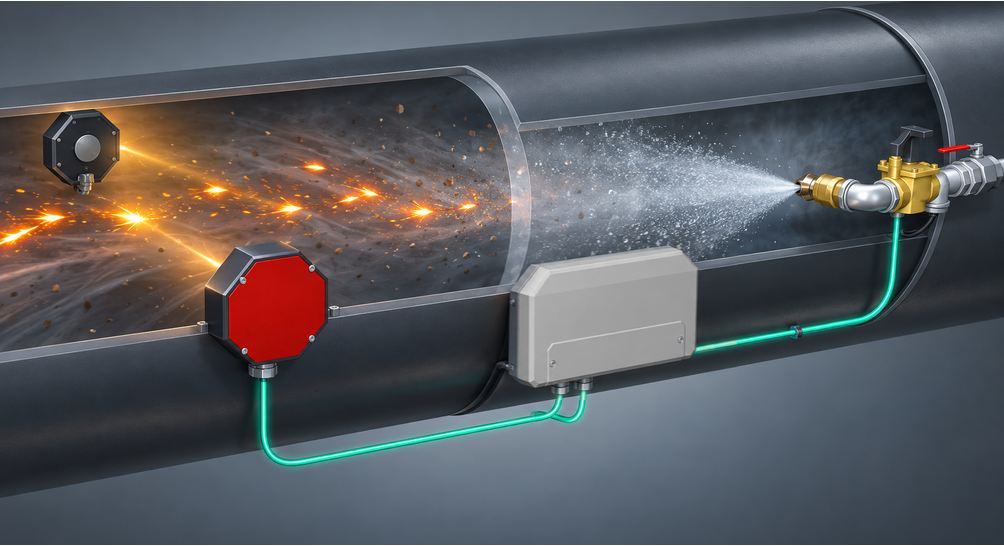
Spark protection for dust extraction and conveying routes
For a factory considering dust collector fire prevention, the question is not only what happens inside the collector. It is also what can reach it through the extraction duct. A spark detection system paired with extinguishing equipment is one way to address travelling ignition sources; it is not the same as a system for suppressing an established collector fire.
If you manage a saw, sanding or milling process, start with the material route: which machine feeds it, where does it lead, and which sections already have protection? Repeated sparks, concerning events or a proposed process change are reasons to ask for an assessment—not to select equipment from a brochure alone.
HSE identifies metal-containing wood off-cuts as a possible source of friction sparks and recommends considering spark detection and extinguishing where risks are significant. That is a reason to assess the route, not proof that a particular system fits it. HSE wood-waste guidance
OSHA also discusses smouldering material carried into dust collectors and detection in outlet ducts from processes such as dryers or mills. These are examples of a wider ignition-source problem, not evidence that ALF-NANO is suitable for every dryer, mill or material. OSHA technical guidance
You do not need to choose every component before making an enquiry. A description of the material and process, together with a route sketch or photographs, gives the discussion a practical starting point.
Compact protection. Straightforward integration. Clear monitoring.
Up to 50%cheaper than other similar systems
Identify the ignition source.
Activate the configured water-based response.
Track system status.
The practical value is a defined, local layer of protection rather than a claim to protect every part of a factory. The ALF-NANO brochure describes a compact system with control logic, connected detection and extinguishing equipment, monitoring and event logging. Equipment selection and the response required for your line still need confirmation. Published ALF-NANO overview
- Simpler integration and commissioning: preconfigured control logic and direct connections for detectors, extinguishing valves and sensors reduce configuration effort. The final application and installation requirements still need confirmation.
- Compact format for local protection: designed for small applications and worth assessing where retrofit space is limited. Confirm mounting, access and service requirements for the actual line.
- Clearer readiness checks: supervision of detectors, valves, wiring and relevant water-supply conditions helps operators identify conditions needing attention.
- Useful records for ongoing maintenance: safety-event logging supports inspection and investigation of recurring detections alongside observations from the plant.
The practical question is whether you need protection for a defined machine or process section. ALF-NANO is positioned for that local scale; a larger or more complex plant may need a broader protection concept. Compact design does not remove the need for application assessment.
Spark detector and extinguishing unit: two different jobs
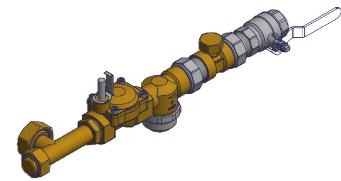
The spark detector identifies the ignition source. Detection provides the signal for the configured system response; the detector is not itself the water-extinguishing device.
The extinguishing unit delivers the water-based response. The illustration makes that separate assembly visible. Its final selection and configuration depend on the assessed application.
Control logic connects these two roles. System monitoring and event records then support readiness checks and investigation.
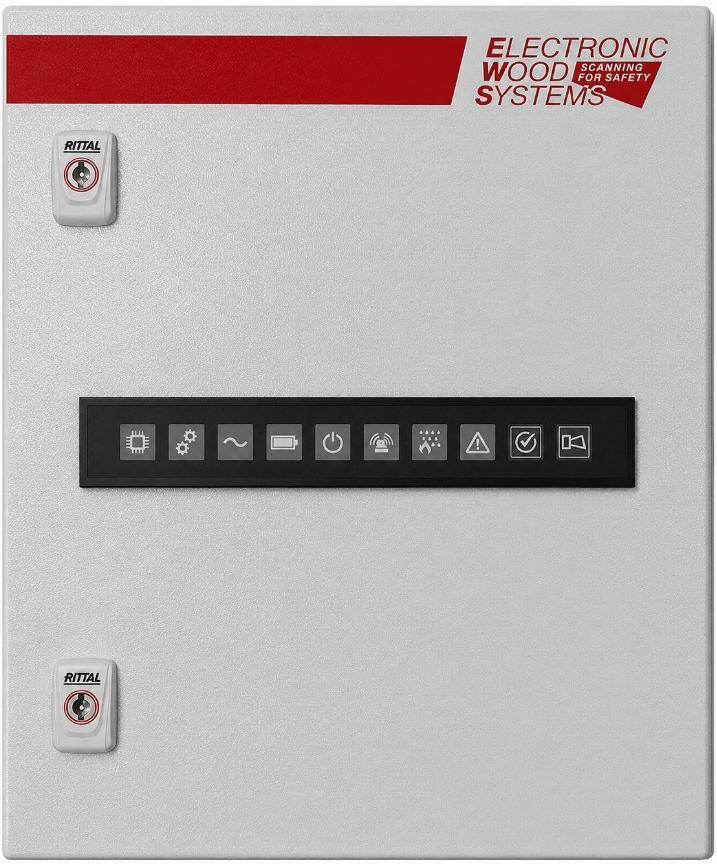
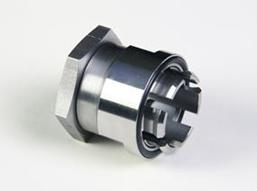
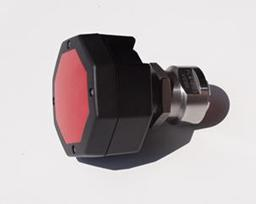
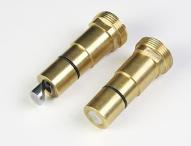
Illustrative product components from the EWS presentation. These photographs do not define a package, installation layout or component quantity.
How a spark detection and extinguishing system works
EWS describes the ALF-family principle in pneumatic conveying systems, pipes and chutes: infrared detectors identify sparks and glowing particles, and control logic initiates water-based extinguishing downstream. The aim is to address the ignition source while it is travelling towards vulnerable equipment. ALF-family examples explain the principle; they do not establish ALF-NANO performance values, approvals or suitability for a particular process. EWS operating principle
- Detect: identify the travelling ignition source at the configured detection point.
- Respond: activate the specified response while the source is within the protected process section.
- Supervise: monitor the condition of detection, extinguishing and supply components.
- Investigate: compare logged events with plant observations to examine repeated problems.
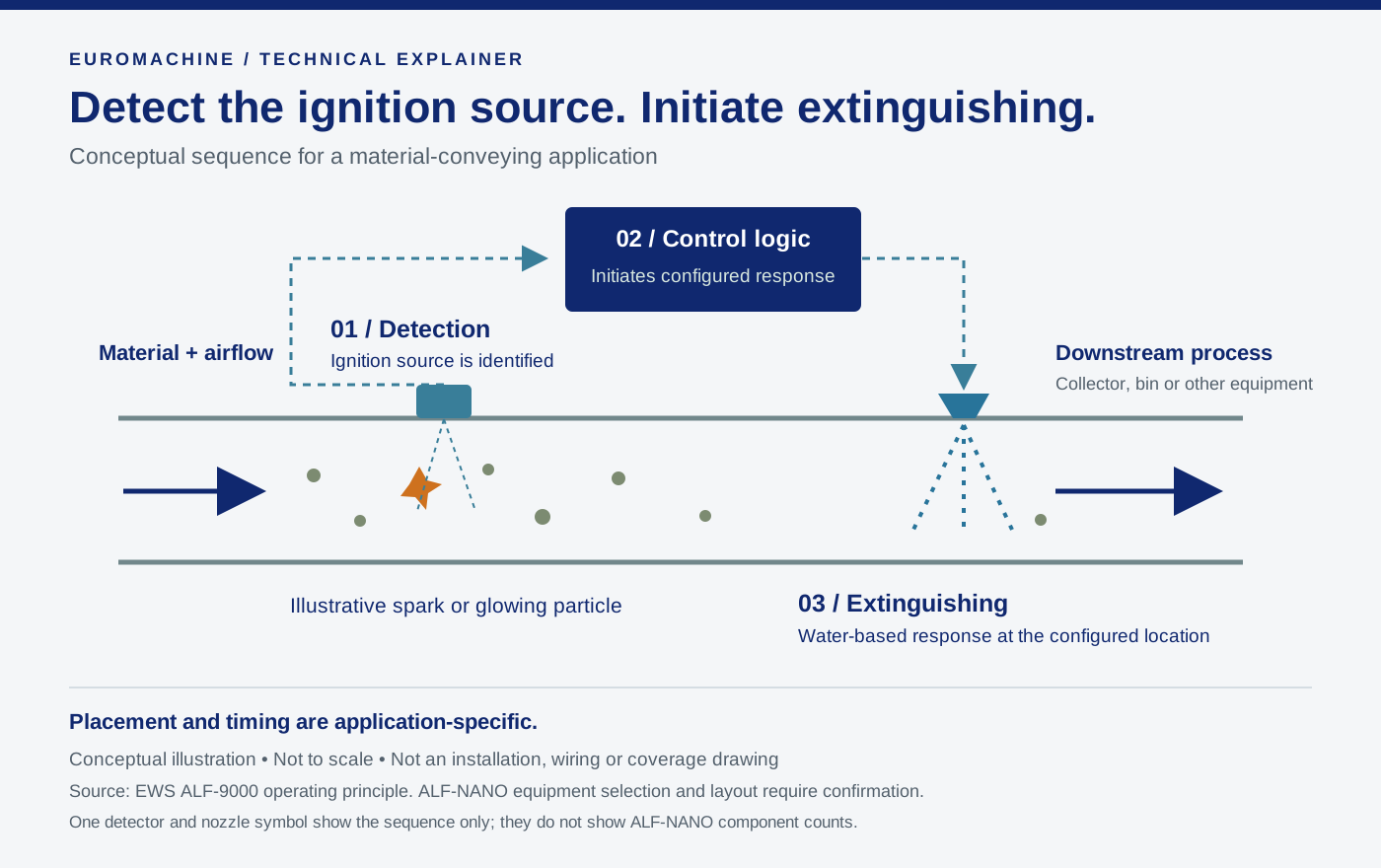
Detector placement, material movement and response timing must be assessed together. They belong in the project review, not in a generic installation recipe on the internet.
Wood processing, pellets and other industrial applications
The ALF-NANO product overview and sales brochure list the following sectors. The examples turn those broad categories into useful questions for a project discussion; they are not blanket approvals.
| Industry or process | Application to discuss | Question for your assessment |
|---|---|---|
| Woodworking and furniture | Spark detection for dust-extraction routes serving saws, sanders or milling equipment. | Which machines feed the route, and where can an ignition source travel towards a collector? |
| MDF, particleboard and other wood-based panels | A defined conveying or extraction section within panel production. | Is the need local, or do interconnected routes require a larger protection concept? |
| Biomass and wood pellets | Spark extinguishing for assessed material-conveying or transfer sections in a pellet or biomass process. | What is the feedstock, where does the route lead, and is a water-based response appropriate? |
| Paper production and handling | Local extraction or material-handling sections involving combustible paper material. | What form is the material in, and which process conditions must the manufacturer confirm? |
| Agricultural processing | Defined conveying routes handling combustible agricultural material. | Which commodity and quality requirements apply, including compatibility with extinguishing water? |
| Recycling | A local transfer or conveying point with a clearly characterized material stream. | How variable is the incoming material, and can the proposed protection remain suitable as it changes? |
Application fit comes before selection. Suitability for the actual material, route and configuration requires manufacturer confirmation against the installation instructions. A broad industry listing does not override the permitted-use limits.
Request an application assessment
Which configuration questions matter before buying?
Material and operating conditions. What is being conveyed, how it moves and which environmental conditions affect the proposed system.
Space and integration. Whether the route has suitable installation and maintenance access, and how alarms and control responses fit the existing process.
Water suitability. Whether the proposed water-based response is appropriate for the material, machinery and available supply.
Detector suitability. Material, process temperature, flow and ambient-light conditions must match the documented capability of the proposed detector.
Control response. Confirm alarms, interfaces and intended actions on detection, faults or loss of a required supply. Additional inputs and outputs alone do not establish a particular shutdown function.
Protection scope. Identify the points needing protection. A plant with multiple routes may require a broader assessment or a different ALF-family configuration, not an assumption that one compact system covers everything. EWS system configurations
Ongoing responsibility. Who will handle commissioning, operator training, inspection and maintenance. Confirm the scope and responsibilities before ordering.
The outcome to seek is a clearly defined proposal: what is protected, what equipment is included, which conditions must be met and what remains outside the scope.
Clear limits make a better purchase decision
ALF-NANO is not a substitute for a whole-plant fire and explosion assessment. It is not a system for fighting an established fire, and it does not eliminate every ignition source or guarantee prevention of an explosion.
Extraction design, machinery condition, housekeeping and other required safeguards remain important. Installation and commissioning require qualified personnel; a blog article is not an installation guide. HSE woodworking fire guidance
Local legal and approval requirements must be checked for the installation. Regional fire-authority guidance is not product endorsement, and component certification does not establish approval of an entire installed system.
HSE also emphasizes preventive maintenance, internal duct inspection and control of dust accumulation. A protection system does not remove those responsibilities. UK guidance is a technical reference, not a substitute for requirements in your factory’s jurisdiction. HSE WIS32
What should commissioning and handover include?
Before accepting an installation, ask for a documented scope and responsibilities:
- The protected process sections, selected equipment and intended response.
- Commissioning checks covering detection, extinguishing, water supply and fault indication.
- Manufacturer-specified inspection and maintenance, safe access and a named responsible person.
- Operator training and a process for reviewing repeated detections or faults.
This is a buyer’s checklist, not a commissioning procedure. Event records help an investigation when combined with observations from the plant; a log entry alone does not prove the cause.
Vietnamese fire-authority guidance reinforces the wider maintenance picture: Ho Chi Minh City PC07’s wood-processing guidance of 12 November 2025 and Phú Thọ police’s industrial-fire guidance of 11 June 2026 discuss cleaning, inspection and upkeep of extraction equipment. These are regional safety references, not ALF-NANO endorsements or evidence of approval in another country. Ho Chi Minh City PC07; Phú Thọ police.
Questions buyers often need to resolve
Does spark detection replace dust collector fire suppression?
No. Spark detection and extinguishing addresses travelling ignition sources in an assessed process section. Protection against an established fire, explosion relief or isolation, and wider factory fire protection are separate questions for the overall safety assessment.
Can ALF-NANO be added to an existing line?
Retrofit applications are listed in the product overview. Whether your line is suitable depends on the route, available space, process conditions, water compatibility and integration requirements. Send a simple description before assuming that no modifications will be needed.
Does preconfigured integration mean it is a DIY installation?
No. Preconfigured logic and direct component connections are intended to simplify integration, not to replace qualified installation and commissioning. Ask for operator training, clear fault-response guidance and a documented maintenance scope at handover.
Does the industry list mean it is approved for our material?
No. Wood, panels, biomass, paper, agricultural processing and recycling identify enquiry categories. The actual material and configuration still require confirmation against the manufacturer’s instructions and applicable project requirements.
What will an ALF-NANO quotation include?
Ask for a defined equipment scope and explicit installation, commissioning, supply and service responsibilities. These are project-specific, not commitments established by this article. The enquiry is the starting point for that clarification.
Request an ALF-NANO application assessment
Considering spark protection for an existing line or a new project? Start with three practical details. You do not need a finished engineering specification:
- Your name, company and preferred business contact.
- The material and machine or process involved.
- The concern or material route you want to discuss, and your factory location.
A non-confidential photograph or simple sketch is optional. Detailed operating data, confidential drawings and project requirements can be discussed later through an agreed channel, rather than posted publicly.
Request an application assessment
This button opens an email enquiry. You can also write directly to sale@euromachine.vn.
The next step is to establish whether ALF-NANO is a candidate for your application and what information is needed for a scoped quotation. Equipment, installation, commissioning, supply and service responsibilities should be explicit before you order.
About the manufacturer
ALF-NANO is an Electronic Wood Systems product. Explore the EuroMachine product page for the published product overview, or contact sale@euromachine.vn with your application.